


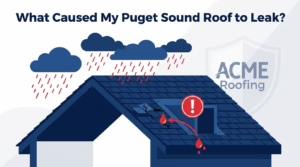
What Caused My Puget Sound Roof to Leak?
Roof leaks in the Puget Sound can develop for several reasons, including aging roofing materials, damaged flashing, clogged gutters, failed roof vents, and storm-related damage. The region’s frequent rainfall makes it especially important to identify vulnerabilities before they allow water to enter the roof assembly.
If you notice water stains, attic moisture, or active dripping, professional roof repair can help identify the source and determine the appropriate solution.
For homeowners in Tacoma, University Place, and throughout Pierce County, addressing a roof leak early can help limit the extent of moisture-related damage and prevent a small roofing problem from becoming more extensive.
Common Causes of Puget Sound Roof Leaks
A roof leak does not always originate directly above the spot where you see water inside the home. Water can move along roofing materials and other building components before becoming visible. That is why finding the actual source often requires evaluating the roof system as a whole.
1. Damaged Roof Vents
Roof vents are common locations for potential water intrusion. Damaged vent boots, deteriorated seals, cracked components, or installation problems can create openings where rainwater can enter.
Because roof vents penetrate the roofing system, the surrounding flashing and materials should be inspected when a leak appears near an attic vent or other roof penetration.
2. An Aging Roof
Roofing materials naturally deteriorate over time. Asphalt shingles can develop signs such as cracking, curling, missing granules, or other visible wear as they age and remain exposed to weather.
When a roof is older and begins developing recurring leaks, the issue may involve more than one isolated defect. A professional evaluation can help determine whether localized repair is appropriate or whether the overall condition of the roof warrants replacement.
If you are seeing multiple signs of deterioration, learn about signs you might need a new roof before deciding how to address recurring problems.
3. Damaged or Missing Shingles
Shingles protect the underlying roof assembly from weather exposure. Missing, cracked, lifted, or otherwise damaged shingles can leave vulnerable areas exposed to rain and wind.
Storms, falling branches, installation problems, and normal aging can all contribute to shingle damage. A roof inspection can help determine whether the damage is isolated or part of a broader deterioration pattern.
4. Damaged Flashing
Flashing directs water away from vulnerable areas such as roof-to-wall transitions, chimneys, skylights, vents, and other penetrations. When flashing becomes damaged, displaced, or improperly installed, water can find a path into the roofing assembly.
Flashing problems can be difficult to identify from the ground, particularly when the affected area is around a roof penetration or transition. A professional inspection can help locate potential entry points.
5. Debris and Overhanging Trees
Leaves, pine needles, branches, and other debris can accumulate on a roof and around drainage components. Organic debris can retain moisture and may contribute to deterioration when it remains against roofing materials for extended periods.
Falling branches can also puncture or damage roofing materials during windstorms. Not all storm damage is immediately obvious, so a roof should be evaluated if a significant branch has struck or repeatedly contacted the roofing system.
6. Clogged Gutters and Drainage Problems
Gutters and downspouts help direct rainwater away from the roof and home. When debris restricts drainage, water can overflow or collect in areas where it should not.
Recurring drainage problems can contribute to moisture exposure along roof edges and other vulnerable areas. Keeping gutters and downspouts clear is an important part of routine roof maintenance.
If you notice water repeatedly collecting on a low-slope roof or another area, learn how to avoid roof ponding and address recurring drainage concerns.
7. Roof Penetrations and Seams
Every penetration through a roof creates an area that must be properly integrated with the surrounding roofing materials. Vents, pipes, skylights, chimneys, and other penetrations can become potential leak points when the surrounding flashing, sealants, or roofing materials deteriorate.
Seams and transitions can also become vulnerable as roofing systems age. When investigating a leak, these areas should be considered along with the visible roofing surface.
Why Prompt Action Matters
A roof leak should not be ignored simply because the amount of water appears small. Continued moisture intrusion can affect insulation, interior finishes, wood components, and other parts of the building assembly.
Visible water stains can also remain after the active leak has stopped. A stain does not necessarily identify the current source, so recurring or unexplained moisture should be investigated rather than covered up.
To better understand the factors that contribute to roofing deterioration, review Why Roofs Fail and How to Avoid This for additional preventative guidance.
What Should You Do When Your Roof Starts Leaking?
If you discover a roof leak, start by documenting where you see water or interior staining. If it is safe to do so, check accessible attic areas for moisture, staining, or damp insulation.
Avoid climbing onto a wet or damaged roof to investigate the source yourself. Roofing surfaces can become slippery, and the visible location of a leak inside the home may not correspond to the actual entry point on the roof.
Instead, have the roof professionally evaluated so the source can be identified and the appropriate repair determined.
Professional Roofing in Tacoma
If you suspect a recurring leak, experienced contractors specializing in roof repair in Tacoma can evaluate your roofing system and investigate potential sources of water intrusion.
A professional evaluation can consider the condition of shingles, flashing, vents, penetrations, gutters, drainage, and other components that may contribute to the problem.
Schedule a Roof Leak Inspection
Finding and addressing the source of a roof leak early can help limit moisture exposure and give you more options for resolving the problem.
If you have noticed water stains, attic moisture, active dripping, damaged shingles, or other signs of a leak, call (253) 215-1398 to schedule a professional roof inspection.
Frequently Asked Questions About Puget Sound Roof Leaks
What are the most common causes of roof leaks in the Puget Sound?
Common causes include aging or damaged roofing materials, deteriorated flashing, damaged roof vents, clogged gutters, storm damage, and problems around roof penetrations or seams.
Can a small roof leak cause serious damage?
Yes. Continued moisture intrusion can affect insulation, interior finishes, and wood components. The extent of damage depends on factors such as the location, duration, and severity of the leak.
How can I tell where my roof is leaking?
The location of an interior water stain does not always match the point where water enters the roof. Water can travel through parts of the roof and building assembly before becoming visible. A professional inspection may be necessary to identify the source.
Should I repair or replace my roof if it leaks?
An isolated leak on an otherwise serviceable roof may be repairable. However, widespread deterioration, recurring leaks, or significant age may indicate that replacement should be considered. A professional evaluation can help determine which option is appropriate.
How quickly should I address a leaking roof?
A leaking roof should be evaluated as soon as reasonably possible. Prompt attention can help identify the source of the problem and limit continued moisture exposure.