


What Are the Pros and Cons of Layering Roof Shingles?
Layering roof shingles, also known as a roof overlay, involves installing a new layer of shingles over an existing one instead of removing the old roofing materials. While this approach may reduce upfront labor costs, it also comes with structural, longevity, and inspection considerations.
Layering new shingles over an existing roof can seem like a simple and cost-friendly shortcut, but it’s important to understand what you gain and what you risk by doing it. Before making the decision, many homeowners first explore their options for professional roof maintenance to determine whether an overlay is the right move or if a full tear-off is the safer choice.
In the damp Puget Sound climate, moisture management is critical. Homeowners should carefully evaluate whether an overlay is appropriate or if a full tear-off provides better long term protection.
Roof Overlay vs Tear-Off
-
Overlay: lower upfront cost, faster install
-
Tear-off: longer lifespan, full deck inspection
-
Overlay adds weight
-
Tear-off improves long term durability
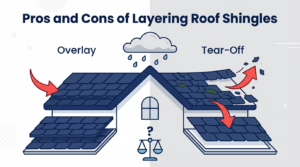
Tear-Off vs Overlay: What’s the Difference?
Tear-Off
A tear-off involves removing all existing shingles and underlayment before installing a completely new roofing system.
Overlay
An overlay involves installing a new layer of shingles directly over the existing layer without removing the original roof covering.
The better option depends on roof condition, structural capacity, and long term goals.
Pros of a Full Tear-Off
1. Structural Inspection Opportunity
Removing old shingles allows roofers to inspect the decking for rot, moisture damage, or structural concerns before installing new materials.
2. Longer Potential Lifespan
A properly installed single layer of shingles typically performs better than shingles layered over older materials.
3. Improved Appearance
A tear-off creates a flatter, more uniform finished surface without telegraphing imperfections from the previous layer.
4. Easier Future Repairs
Leaks and damage are generally easier to diagnose when only one roofing layer is present.
For homeowners in Tacoma, University Place, and throughout Pierce County, a tear-off is often recommended when moisture exposure has been prolonged.
Pros and Cons of a Roof Overlay
Potential Advantages
-
Lower initial labor cost
-
Faster installation timeline
-
Less construction debris
Potential Drawbacks
Added Weight
Adding a second layer increases roof load. Structural capacity should be evaluated before proceeding.
Reduced Lifespan
Overlay systems may not last as long as a full tear-off due to heat retention and trapped moisture.
Hidden Damage
Existing decking issues may remain concealed beneath the new layer.
Aesthetic Imperfections
Curling or uneven shingles beneath may cause visible irregularities.
Overlay installations are typically limited to one additional layer. Local building codes may restrict the total number of shingle layers allowed.
How to Decide Between Tear-Off and Overlay
Before choosing an overlay, consider:
-
The age of the existing roof
-
Whether shingles are curling or deteriorating
-
Signs of leaks or moisture damage
-
Structural load capacity
-
Long term home ownership plans
If the roof deck is compromised or nearing the end of its service life, a tear-off is often the more durable solution.
If you need help estimating materials, review our article How to Measure a Roof for Shingles before making a final decision.
Roofing Contractors in Tacoma
Your roof is your home’s primary barrier against rain and wind. Choosing between an overlay and a tear-off should be based on structural condition, lifespan expectations, and long term value.
ACME Roofing provides professional roof inspections and replacement services throughout Tacoma and surrounding communities.For a reliable assessment, talk to your Auburn roofing experts.
Call (253) 215-1398 to schedule a roofing evaluation and determine which option is right for your home.
Frequently Asked Questions
Can you put new shingles over old ones?
In many cases, one additional layer is permitted, but structural capacity and local building codes must be considered.
Is a roof overlay cheaper than a tear-off?
An overlay usually has lower upfront labor costs, but long term durability may be reduced.
How many layers of shingles are allowed?
Building codes often limit residential roofs to two layers, but requirements vary by jurisdiction.
Does layering shingles void the warranty?
Some manufacturers require installation over a clean deck for full warranty eligibility. Review product documentation carefully.
Is a tear-off better in wet climates?
In moisture prone regions, removing old materials allows inspection of decking and may reduce hidden water damage risks.