


Can You Replace a Roof in the Winter?
Yes, in many cases you can replace a roof in the winter, provided weather conditions and temperatures allow for proper installation. Roofing during colder months requires additional precautions, but it is often feasible in the mild winters of the Puget Sound region.
If your roof is leaking or has reached the end of its lifespan, delaying replacement until spring is not always necessary. With proper planning and professional installation, winter roof replacement can be completed safely and effectively.
Replacing a roof during winter may seem challenging, but professional roof installation ensures your new roof is installed safely, efficiently, and built to withstand harsh Pacific Northwest conditions. Winter installations can prevent delays and prepare your home for upcoming storms.
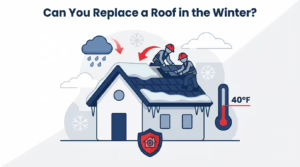
Can You Replace a Roof in the Winter?
-
Yes, if temperatures and conditions allow
-
Asphalt shingles may require extra care below 40°F
-
Metal roofs are less temperature sensitive
-
Safety and manufacturer guidelines are critical
What Is the Best Temperature for Roof Installation?
Asphalt shingles are generally easier to install in moderate temperatures. Cold weather can make shingles less flexible, increasing the risk of cracking during handling.
Many manufacturers recommend installing shingles when temperatures are above approximately 40 degrees Fahrenheit, though specific requirements vary by product and manufacturer instructions.
If temperatures drop below freezing, installation may require additional care, including hand sealing shingles to ensure proper adhesion.
Metal roofing systems are typically less sensitive to cold temperatures during installation, as they do not rely on self-sealing asphalt strips. However, safety and weather conditions must still be evaluated before proceeding.
Winter Roofing in the Puget Sound
Winter conditions in Western Washington often include rain, damp air, and occasional freezing temperatures. Compared to regions with heavy snow accumulation, winters in Tacoma, University Place, and throughout Pierce County are typically moderate enough to allow for many roofing projects to proceed.
However, roofing should not be performed during active storms, heavy rain, or icy conditions that create safety hazards.
Advantages of Winter Roof Replacement
Winter is often considered a slower season for residential roofing projects. This can offer practical advantages:
-
Increased scheduling flexibility
-
Potentially shorter wait times
-
Earlier project completion before spring demand increases
Completing roof replacement in winter may allow homeowners to enter the wetter spring months with a fully updated roofing system.
| Factor | Winter Installation | Spring/Summer Installation |
|---|---|---|
| Scheduling | More availability | High demand |
| Temperature | May require extra care | Generally ideal |
| Safety Risk | Higher in wet/icy conditions | Lower |
| Urgent Repairs | Can prevent further damage | May delay protection |
Safety Considerations for Winter Roofing
Cold temperatures, moisture, and reduced daylight increase job site risks. Professional roofing contractors assess:
-
Roof surface dryness
-
Wind conditions
-
Temperature thresholds
-
Safe access and fall protection measures
Proper safety planning helps reduce installation risks and ensures material performance is not compromised.
If you want to better understand winter roof risks, review our article Emergency Winter Roof Repairs in Tacoma for common seasonal issues. prevents costly issues.
Winter Roof Replacement in Tacoma
Winter roof replacement is possible when conditions allow and materials are handled correctly. If you are unsure whether your roof can be replaced safely this season, a professional inspection can provide clarity.
Working with trusted roofing contractors in Lakewood ensures the project is done with local expertise. Professionals understand how cold temperatures, rain, and snow affect installation, shingle adhesion, and overall roof performance.
ACME Roofing provides roof replacement and installation services throughout Tacoma and surrounding communities.
Call (253) 215-1398 to schedule a free roofing estimate and determine whether winter installation is appropriate for your home.
Frequently Asked Questions
Is it safe to replace a roof in winter?
Yes, if weather conditions are safe and proper installation procedures are followed. Roofing should not be performed during active storms or icy conditions.
Can shingles be installed in cold weather?
Shingles can be installed in colder temperatures, but extra care may be required to prevent cracking and ensure proper sealing.
Does winter roofing affect warranty coverage?
Warranty coverage depends on following manufacturer installation guidelines. Improper cold-weather installation may affect eligibility.
Is metal roofing better for winter installation?
Metal roofing is less temperature sensitive during installation compared to asphalt shingles, but weather safety must still be considered.
Should I wait until spring to replace my roof?
If your roof is leaking or failing, delaying replacement may cause further damage. A professional inspection can determine urgency.