


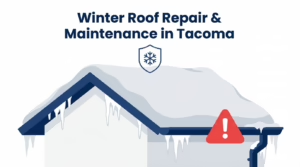
Winter Roof Repair & Maintenance in Tacoma
Winter roof repair in Tacoma is essential before heavy rain, freezing temperatures, and wind begin placing stress on your roofing system. Scheduling professional roof repair and maintenance early helps prevent leaks, ice dams, and structural damage during the harshest months in the Pacific Northwest.
Homeowners seeking reliable roofing in Puyallup and throughout Pierce County should prioritize winter inspections. Prolonged moisture exposure combined with freeze-thaw cycles can quickly turn minor vulnerabilities into major repairs.
Moisture buildup is one of the biggest threats during winter. Snow and ice accumulate on the roof, and when temperatures fluctuate, melting water can seep beneath shingles or around flashing. Proactive maintenance reduces the risk of emergency repairs and interior water damage.
For insight into long-term roofing durability, review Why Roofs Fail and How to Avoid This to understand how small weaknesses escalate under seasonal stress.
Common Winter Roofing Problems
Ice Dams and Water Backup
Ice dams form when melting snow refreezes near the eaves. Trapped water can back up beneath shingles and into the roof deck, leading to leaks.
Condensation and Attic Moisture
Improper ventilation allows warm indoor air to condense against cold surfaces, increasing the risk of mold growth and insulation damage.
Wind and Storm Damage
Winter storms can lift shingles and loosen flashing, creating vulnerable entry points for water intrusion.
Understanding proper ventilation systems is also critical. Learn more in Best Roof Vents for Houses.
How to Prepare Your Roof for Winter
Schedule a Roof Inspection Before Winter
A professional inspection identifies loose shingles, deteriorated flashing, and drainage issues before severe weather worsens them.
Clear Gutters and Downspouts
Debris buildup increases the risk of water backup and ice formation along roof edges.
Address Minor Repairs Immediately
Small cracks, lifted shingles, or flashing gaps should be repaired before freeze-thaw cycles expand the damage.
Why Winter Roof Maintenance Matters
- Prevents interior water damage
- Reduces risk of ice dam formation
- Extends roofing material lifespan
- Improves home energy efficiency
Winter Roof Repair Services in Tacoma
If you notice leaks, shingle damage, or attic moisture, a professional assessment can determine whether targeted repair or preventative maintenance is needed.
ACME Roofing provides winter roof repair services throughout Tacoma, University Place, and Pierce County.
Call (253) 215-1398 to schedule a free roofing estimate before severe weather worsens existing issues.
Frequently Asked Questions
Can roof repairs be completed during winter?
Yes. Many repairs can be performed safely during winter when conditions allow proper installation.
What causes ice dams?
Ice dams occur when attic heat melts snow and the water refreezes near colder eaves, trapping additional runoff.
How often should I schedule a roof inspection before winter?
An annual inspection before the wettest months is recommended in the Pacific Northwest.
Does winter weather shorten roof lifespan?
Repeated freeze-thaw cycles and moisture exposure can accelerate deterioration without proper maintenance.
What are early signs of winter roof damage?
Water stains on ceilings, attic condensation, loose shingles, and clogged gutters are common warning signs.