


Early Signs Your Roof Needs Attention: Key Indicators to Act Fast
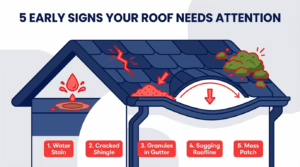
Sometimes, a roof looks fine but hides bigger problems underneath. Early warning signs—like curling shingles, granule buildup in gutters, or tiny water stains inside—often mean there’s damage brewing.
Spotting these early can save you from spending a fortune on repairs and keep your home’s structure safe. Here in the Northwest, with Tacoma’s relentless rain and damp winters, roofs really take a beating, so catching issues early is even more important.
Most folks don’t notice problems until water starts dripping, but trouble usually starts quietly. Poor attic airflow, missing flashing, or moss creeping in can slowly make things worse.
Staying alert to these hints lets you call for an inspection or fix things before they spiral out of control. Whether you’ve noticed missing shingles or minor leaks, scheduling a roof repair can save you time, stress, and money down the road.
Spotting Water Stains and Indoor Leaks
Water stains and leaks inside your house are big red flags. These often show up on ceilings and walls as discoloration, peeling paint, or hidden dampness.
Identifying Ceiling and Wall Discoloration
Yellow or brown patches on ceilings and walls are usually water stains. You’ll often see them near the roof’s edge or under damaged spots.
These stains happen when water sneaks through cracks or bad shingles. Over time, the patches darken and spread, showing your roof isn’t keeping water out anymore.
Check for odd shapes or rough edges on these stains. That usually means there’s an active leak that needs a roofer’s eye.
Tracing Peeling Paint and Bubbling Drywall
Peeling paint or wallpaper, or drywall that bubbles up, can mean moisture is trapped from a leak. Water seeps behind these surfaces, making paint peel and drywall go soft.
You’ll often see this below the roofline or near vents, chimneys, or skylights—places where leaks love to hide.
If you gently press on the drywall and it feels mushy or crumbles, the damage is probably pretty bad. Catching this early can help you avoid mold or bigger repairs down the road.
Checking for Moisture in the Attic
The attic is a hotspot for catching leaks early. Look for water stains, damp insulation, or even drips after a rain.
Grab a flashlight and scan for wet spots, discoloration, or mold. After a storm, it’s worth an extra look.
Moisture up here can weaken the roof’s support beams and lead to rot or mold if ignored. Regular attic checks can reveal hidden problems before they show inside your living space.
Recognizing Shingle Issues
Shingles are your roof’s main shield, and they start showing trouble before leaks appear. Spotting missing, cracked, or old shingles can help you dodge water damage and expensive fixes.
Keep an eye out for changes in color, texture, or spots where shingles are just gone.
Missing Shingles Warning Signs
Missing shingles leave your roof exposed to the elements. Strong winds or storms can rip them right off, especially during Tacoma’s blustery fall and winter months.
Look for bare patches or edges where shingles are missing. These gaps make leaks more likely, especially in the attic.
Replacing missing shingles right away can keep the rest of your roof safe and help it last longer.
Detecting Damaged or Warped Shingles
Damaged shingles might be cracked, curled, or lifting at the edges. Water can sneak underneath these, damaging the roof’s structure.
Poor ventilation or bad installation sometimes cause warping. Curled shingles usually mean the roof’s getting old or too hot.
Lifting shingles can blow away in the next windstorm, and cracks might come from temperature swings or hail. If you spot any of these, it’s time for a closer look from a pro.
Granules in Gutters as a Red Flag
Asphalt shingles are covered in tiny granules for protection. When these start piling up in your gutters, the shingles are wearing out.
Granule loss can happen slowly or after a nasty hailstorm. If you’re cleaning out handfuls of granules, your roof might be nearing the end of its run.
Check gutters regularly, especially after big storms, to catch this early.
Signs of Asphalt Shingle Aging
Most asphalt shingles last 15-30 years, but that’s just a ballpark—our Northwest climate can shorten that. Old shingles look brittle, faded, or cracked, and might curl at the edges.
Once shingles start to age, they’re much more likely to leak or get damaged in storms. If your roof’s showing these signs, it’s probably time to think about repairs or a replacement.
Detecting Sagging and Uneven Rooflines
If you see sagging or uneven spots in your roof, that’s usually a sign of something serious. These changes often mean there’s structural damage underneath that can’t wait.
Spotting Sagging Spots
Sagging spots look like dips or curves in the roof instead of straight lines. This happens when supports below start to rot or weaken, often from moisture or old age.
You might notice sagging from your yard, or inside the attic by looking for bowed sections. A sagging roof almost always means structural trouble and shouldn’t be ignored.
- Visible dips in the roofline
- Soft spots when you walk on the roof
- Cracks around ceiling corners or walls inside
Uneven Rooflines and Drooping Areas
Uneven rooflines show up when the edges or peaks aren’t straight anymore. You might see odd slopes or parts that droop more than others.
This usually happens when trusses or beams can’t hold up the weight. If you see this, things can get worse fast, leading to leaks or more damage.
- Compare both sides of the roof for matching height and slope
- Check for gaps between the roof and the walls
- Look for shingles or materials pulling away from the surface
If you spot drooping or uneven areas, don’t wait. The longer you leave it, the bigger and more expensive the fix gets.
Understanding Flashing and Chimney Issues
Flashing is the metal that seals spots where the chimney meets the roof. It keeps water out, but if it fails, you can end up with leaks, mold, or even structural headaches.
In our wet Tacoma climate, flashing takes a beating. Regular checks help catch problems before they get out of hand.
Damaged or Rusty Flashing
Flashing can crack, rust, or come loose over time, breaking the seal that keeps water out. Rust shows up when metal’s been wet for too long.
Cracks or gaps let water sneak in, causing leaks near the chimney.
- Cracks or holes in the metal
- Rust stains on flashing or nearby shingles
- Gaps where caulking has worn away
Badly damaged flashing usually needs replacing. Small cracks might get by with sealant for a bit, but lasting fixes need new flashing installed right.
Inspecting Chimney Flashing
Check chimney flashing after storms or heavy rains. Focus on loose or bent metal, water stains on nearby ceilings, and cracked caulking.
- Look for loose or bent metal pieces
- Watch for water stains or dampness inside
- Check caulking for cracks or peeling
Also, check for missing shingles near the chimney—this can mean flashing trouble. Shine a flashlight inside the chimney chase and look for soft spots or mold. Catching these issues early can save a lot of hassle.
Spotting Algae, Moss, and Mold Growth
Algae, moss, and mold often show up as green or dark patches on your roof. They trap moisture, which can slowly wreck shingles and wood underneath.
In the Northwest, damp weather makes these growths common, so regular checks are a must.
Risks of Algae Growth
Algae usually look like dark streaks, especially on shaded, damp roofs. They might seem harmless, but they make shingles lose granules quicker.
Without granules, shingles can’t protect against sun and water, leading to cracks and leaks. Over time, algae can age your roof faster than you’d think.
Impact of Moss and Mold
Moss loves shady, damp spots. It holds water against the roof, keeping things wet longer than they should be.
This can make shingles break down and wood rot underneath. Mold grows where moisture hangs around, sometimes inside the attic, and can cause health issues if spores get inside.
Dealing with Persistent Moisture
Moisture is the main culprit behind algae, moss, and mold. It often comes from clogged gutters, leaks, or poor airflow.
Fix drainage, clear roof debris, and make sure your attic breathes well to keep things dry. Sometimes, you’ll need a pro to clean or treat the roof to get rid of growths for good.
Watching for Clues from Gutters
Gutters often spill the beans when your roof’s in trouble. Pay attention to what ends up in them and how they handle rain.
Accumulation of Granules in Gutters
Granules in the gutters usually mean your shingles are wearing down. As shingles age or get battered by weather, they shed more granules.
If you’re seeing lots of granules, shingles might be cracked or breaking up. That’s a sign it’s time for an inspection—don’t ignore it, or you’ll risk leaks and bigger problems.
Signs of Clogged or Overflowing Gutters
Clogged gutters happen when leaves and debris block water flow. If gutters overflow during rain, they’re not doing their job—maybe because of clogs or bad installation.
This can damage the roof edge, fascia, and even siding. Water backing up under shingles can make leaks worse. Clean gutters often, and if they still overflow, it’s time to call in a pro to check for setup issues.
Energy Efficiency and Rising Bills
An old or damaged roof can make your home lose heat in winter and cool air in summer. That means higher energy bills and more strain on your heating and AC.
Finding where energy escapes can help you fix the problem and save money.
Increased Energy Bills
When energy bills start climbing for no clear reason, your roof might not be keeping the elements out. Gaps, missing shingles, and worn-out insulation let air leak, so your systems work overtime.
If your bills jump suddenly, it’s probably time to have a roofer check things out. Catching the problem early can save you a lot of cash and hassle.
Detecting Energy Loss from the Roof
Energy loss isn’t always obvious, but there are clues. Check for drafts in the attic or upper rooms, or see if daylight peeks through roof boards.
Pros sometimes use infrared cameras to spot hot or cold spots, showing where insulation is missing or air is leaking. Tracking your energy use over time can also reveal patterns that point to roof trouble.
Improving Overall Energy Efficiency
Boosting your home’s energy efficiency really starts at the top—your roof. Fixing up damaged shingles, sealing those sneaky gaps, and adding insulation can keep warm air in and cold air out.
Folks in the northwestern US, especially around Tacoma, know how much our wet, chilly climate can test a roof. If your roof isn’t up to snuff, you’ll feel it in your energy bills and your comfort.
Regular roof inspections help you catch problems early. When you jump on repairs quickly, your roof stays a solid barrier against the elements, and your heating and cooling systems don’t have to work overtime.
Choosing energy-efficient roofing materials can make a real difference too. Reflective shingles or those built for better insulation give your home an edge against our unpredictable weather swings.
Frequently Asked Questions
Early roof problems often show up as water stains, missing or curling shingles, or sagging spots. Spotting these issues early can save you a lot of trouble and money down the road.
What are the initial signs that a roof may require repair or replacement?
Watch for water leaks inside, dark ceiling spots, or peeling paint near the roof’s edge. Storms can knock shingles loose, so if you see missing or broken ones, it’s time for repairs.
How can you detect deterioration in roof shingles?
Check for curling, cracking, or patches where granules are missing. If you find granules piling up in your gutters, your shingles are losing their protective layer.
What visual cues indicate a roof might be at the end of its service life?
Lots of damaged shingles, a sagging roof deck, or rusted flashing are red flags. Moss or algae taking over large areas isn’t a great sign either—full replacement could be on the horizon.
What are the implications of delaying roof replacement for homeowners?
Putting off roof repairs can bring water damage inside, mess with your home’s structure, and even cause mold. Not to mention, your energy bills might shoot up if your roof isn’t doing its job. To keep your home protected, trust your Auburn roofing experts for timely inspections, honest recommendations, and reliable repair work that extends the life of your roof.
How can a homeowner assess the true age of their roof?
Dig up your home purchase records or check permits for installation dates. A hands-on inspection can show wear and tear that lines up with the typical 20- to 50-year lifespan, depending on your roofing material. Aging roofs often show subtle signs long before problems become visible inside your home. If your roof is over a decade old, it’s also worth understanding how the age of your roof affects insurance claims for damage — it could make a difference in your coverage when unexpected issues arise.
What should be considered when evaluating the cost-benefit of a roof inspection?
Regular inspections let you spot small issues before they turn into big, expensive problems. In the northwestern US, especially around Tacoma, our rainy climate can really speed up wear and tear on roofs.
The inspection cost usually stays pretty low, especially when you compare it to the price of fixing leaks or replacing damaged structure later on. Seems like a no-brainer, right?