



If your roof is damaged and you file a claim, the age of your roof can significantly affect how much your insurance company pays and whether coverage is approved at all. Many homeowners are surprised to learn that older roofs may qualify only for depreciated payouts or may face coverage restrictions.
Navigating the insurance claims process for a roof repair can be a headache. Usually, it’s due to an unexpected event, is time-consuming, and can lead to costly repairs you weren’t prepared to make. Even more frustrating, the age of your roof can often impact your insurance claim, even if the roof seems to be in good condition.
Understanding how roof age and insurance claims are connected can help you avoid surprises, especially in areas like Tacoma and Pierce County where heavy rain and windstorms are common. Below, we break down how insurers evaluate roof age, coverage limits, and what you can do to protect your investment.
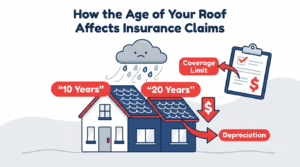
How Roof Age Affects Insurance Claims
-
Older roofs have higher depreciation
-
ACV policies deduct depreciation
-
Insurance covers sudden damage, not wear and tear
-
Coverage depends on policy terms
How Long Does a Roof Typically Last?
Under normal weather conditions, roofing materials can last anywhere from 20 to 50 years, and in some cases much longer. However, insurers do not only look at expected lifespan. They evaluate remaining useful life when determining coverage.
Common roofing material lifespans:
-
Asphalt shingles: 15 years and up
-
Architectural asphalt: 20 to 30 years
-
Wood shingles and shakes: 25 to 40 years
-
Metal roofs: 40 to 60 years
-
Concrete tile: About 50 years
-
Clay tiles: 50 to 100 years
As roofs age, the risk of leaks and storm damage increases. Insurance carriers factor this risk into premiums, inspection requirements, and claim payouts. Choosing durable materials and maintaining documentation of repairs can positively influence future claims.
Another thing that insurers often look at is whether you’ve used local contractors who understand the climate, codes, and specific weather conditions. For example, homeowners that engage professional roof repair in Artondale work with pros who are familiar with local storm history and building requirements. This local expertise can help support your case in a claim.
How Roof Age Factors Into Insurance Decisions
Insurance companies assess risk when issuing policies and processing claims. As roofs age, the likelihood of wear related issues increases. According to general property insurance principles, coverage applies to sudden and accidental damage from covered perils, not normal wear and tear or deterioration.
Because of this, insurers distinguish between damage caused by a covered event, such as wind or fire, and deterioration due to aging.
Actual Cash Value vs Replacement Cost Coverage
One of the most important factors affecting a roof insurance claim is how your policy settles losses.
Actual Cash Value
Actual Cash Value, often referred to as ACV, is calculated as the replacement cost minus depreciation.
Depreciation increases as a roof ages. Under an ACV policy, an older roof will typically result in a lower payout because depreciation is deducted.
Replacement Cost Coverage
Replacement Cost coverage pays to repair or replace damaged property without deducting depreciation, subject to policy limits and deductibles.
Whether a roof qualifies for replacement cost coverage depends on policy terms and underwriting guidelines. There is no universal age cutoff across all insurers.
What does a typical homeowners insurance policy cover for roofs?
While you may be hopeful that a roof insurance claim would be 100 percent covered by your insurance policy, that often is not the case. Rather than cover the entire roof replacement cost, some insurance companies will only cover the actual cash value for a roof damage or replacement claim. The actual cash value, or ACV, means they calculate the depreciated cost of the roof out of the claim payout. So if your roof is 15 years old, they will calculate the value based on how it decreased over time.
In other circumstances, insurance coverage may not be offered to homes with older roofs because of the high risk of damage or needed repairs. An inspector will evaluate the condition of the roof to determine if coverage can be offered or if a roof replacement is required before offering coverage options.
Does Insurance Stop Covering Older Roofs?
Homeowners insurance coverage takes into consideration the age of the roof when determining your insurance premium. Most policies will cover a roof for up to 20 years — although you may be subject to additional inspections beginning after the 10-year period.
However, there are some other exclusions to note. For example, some insurance companies may not offer coverage for a wood-shingled roof unless it has been fire-retardant treated due to the high risk of it being destroyed in a fire. Other coverage limitations may apply, depending on the roofing material, weather conditions, warranty, and other factors.
There is no single nationwide rule that automatically cancels coverage after a specific roof age. However, insurers may:
-
Require inspections for older roofs
-
Adjust premiums based on risk
-
Limit settlement type to actual cash value
-
Require repairs before renewing coverage
These practices vary by insurer and policy.
Source: Progressive Insurance, How Roof Type Impacts Insurance
Policy language ultimately determines coverage eligibility.
Other Factors That Affect Roof Insurance Coverage
In addition to age, insurers commonly evaluate:
Roof Condition
Visible deterioration, missing shingles, or structural concerns may affect coverage decisions.
Roofing Material
Durable materials may influence risk evaluation, although underwriting guidelines vary by insurer.
Maintenance History
Insurance policies generally exclude damage resulting from neglect or lack of maintenance.
Keeping inspection records and repair documentation may help demonstrate that damage was sudden rather than due to ongoing deterioration.
Common types of roof damage and how they are typically covered
The good news is that if you have sufficient coverage according to all of the conditions (age of your roof, location, supplemental policy add-ons required, etc.), damage from extreme weather events should be covered by your insurance company. These may include events such as the following:
- Damage from fire
- Damage from a fallen tree or debris
- Damage from hail
- Damage from wind
Steps to take if your insurance claim for roof damage is denied
If you have to make a claim to your insurance company for roof repair and your insurance claim is denied, here are some steps to take to appeal:
- Review your policy to understand your insurance coverage. You’ll want to know what types of damages are covered, what types of events are covered, coverage amounts, limitations and exclusions, as well as the claims submissions process.
- Review the denial letter from your insurance company to understand the reason.
- If you feel the evaluation is unfair and you should be entitled to a payout, request an appeal in writing to your insurance company. They will reschedule another adjustor for a second opinion. Be sure you get all agreements for reinspection in writing so there are no delays in the timing of the process.
- Plan to have a trusted roofing company on-site during the inspection. The roofing company will document the inspection alongside the adjuster.
- Collect all previous roof repair receipts and reports and keep both the initial and re-assessments for your records.
- If you are denied again, you may wish to file a claim with your state insurance board or consult with an attorney.
Keep Your Roof in Good Condition with ACME Roofing
Routine maintenance and professional inspections can help extend the life of your roof and reduce the risk of disputes during an insurance claim. If you are evaluating roof damage or considering repairs, ACME Roofing can provide professional assessment and documentation to support your decision making.
If you’re evaluating repair quotes or deciding between doing repairs or replacing, check out our post: Why Hire a Local Roofing Contractor. A professional roofing contractor can provide routine maintenance to keep your roof in tip-top shape all year long, saving you money in the long run by extending the lifespan of your roof and saving you money on your insurance premium. Plus, they can help you identify when you need a roof replacement so you can feel secure in your home, no matter the weather.
ACME Roofing is here to help you with all of your roofing needs, big and small! Call us for a free estimate today at (253) 564-2292, and let us keep you safe from the elements for decades to come.
Frequently Asked Questions
Does insurance cover roof damage from age?
Homeowners insurance generally does not cover normal wear and tear or age related deterioration. Coverage typically applies to sudden and accidental damage from covered perils.
What is actual cash value for a roof claim?
Actual cash value is the replacement cost minus depreciation. Older roofs typically receive lower payouts under ACV policies.
Is there an age limit for roof insurance coverage?
There is no universal nationwide age limit. Coverage terms depend on the insurer and policy language.
What if my roof insurance claim is denied?
Review your policy, request clarification from your insurer, and gather documentation. You may also contact your state insurance regulator for assistance.
Does maintenance affect insurance claims?
Yes. Damage caused by neglect or lack of maintenance is generally excluded under homeowners insurance policies.