


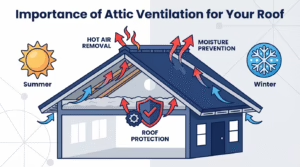
The Importance of Attic Ventilation
Attic ventilation plays a critical role in regulating temperature and controlling moisture within your roofing system. While insulation helps reduce heat transfer between your living space and attic, ventilation allows excess heat and moisture to escape.
Without proper attic airflow, trapped heat and humidity can contribute to premature shingle deterioration, mold growth, wood rot, and increased energy costs.
In the Puget Sound climate, where moisture levels remain high for much of the year, balanced attic ventilation is especially important.
Investing in professional roof maintenance ensures your ventilation system is working correctly and helps prevent long-term structural issues.
Why Attic Ventilation Matters
-
Controls heat buildup in summer
-
Reduces condensation in winter
-
Helps prevent mold and wood rot
-
Extends roof lifespan
Understanding Attic Ventilation in the Summer
During warmer months, solar heat is absorbed through roofing materials and radiates into the attic space. Without adequate ventilation, attic temperatures can rise significantly above outdoor air temperature.
Excess heat buildup may:
-
Increase strain on air conditioning systems
-
Accelerate shingle aging
-
Raise indoor cooling costs
A properly designed attic ventilation system allows hot air to exhaust near the roof peak while drawing cooler intake air through soffit vents, creating continuous airflow.
Why Proper Attic Ventilation Is Critical in Winter
In winter, warm indoor air naturally rises into the attic. This air often contains moisture from daily household activities such as cooking and bathing.
When warm, humid air contacts cold roof decking, condensation can form. Over time, this may contribute to:
-
Wood rot in decking or framing
-
Mold or mildew growth
-
Insulation degradation
Improper ventilation can also contribute to uneven roof temperatures. When snow melts near the ridge and refreezes at the eaves, ice dams may develop.
Balanced ventilation helps reduce temperature differentials and allows moisture laden air to escape before condensation accumulates.
Homeowners in Tacoma, University Place, and throughout Pierce County should ensure ventilation systems are properly balanced to manage seasonal moisture fluctuations.
Ventilation problems are often misunderstood and overlooked until damage occurs. To clear up common misconceptions, review Three Common Tacoma Attic Ventilation Myths and learn why proper design—not guesswork—is essential for long-term roof performance.
What Is Balanced Attic Ventilation?
Effective attic ventilation requires both intake and exhaust components:
-
Intake vents, typically located at soffits, allow fresh air to enter.
-
Exhaust vents, often installed at the ridge or roof peak, allow warm air to exit.
A balanced system promotes continuous airflow rather than stagnant air pockets.
The commonly referenced 1/300 rule suggests 1 square foot of net free ventilation area for every 300 square feet of attic floor space, though building code requirements may vary.
Attic Ventilation Contractor in Tacoma, Washington
Attic ventilation design requires evaluation of roof pitch, insulation levels, intake-to-exhaust balance, and existing moisture conditions.
Homeowners who work with trusted roofing contractors in Auburn benefit from solutions tailored to the Pacific Northwest’s damp climate. Local experts understand how seasonal temperature swings and moisture levels impact attic airflow and can recommend balanced intake and exhaust systems that protect your roof year-round.
ACME Roofing provides attic ventilation inspections and roofing evaluations throughout Tacoma and surrounding communities.
If you are experiencing high energy bills, condensation issues, or signs of mold in the attic, a professional assessment can identify airflow imbalances.
Call (253) 215-1398 to schedule a roof and attic ventilation inspection.
Frequently Asked Questions
Why is attic ventilation important?
Proper attic ventilation helps regulate temperature and remove moisture, protecting roofing materials and structural components.
Can poor attic ventilation cause mold?
Yes. Trapped moisture in the attic can contribute to mold growth and wood rot over time.
Does attic ventilation reduce energy costs?
By reducing heat buildup in summer, ventilation may lower cooling demands.
What happens if my attic is not ventilated?
Heat and moisture can accumulate, increasing the risk of shingle damage, insulation deterioration, and condensation problems.
How do I know if my attic ventilation is sufficient?
A roofing professional can measure ventilation area and inspect for signs of moisture accumulation or heat stress.