


How Long Does a Metal Roof Last?
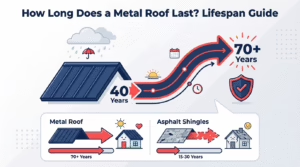
A properly installed metal roof can last 40 to 70 years or more, depending on the type of metal, protective finish, installation quality, maintenance, and environmental exposure. In the Puget Sound region, where roofs regularly face rain and moisture, material selection and proper installation are especially important for long-term performance.
Homeowners comparing roofing systems often consider asphalt shingles first, but metal roofing can offer a longer projected service life and strong resistance to many forms of weather exposure. Professional roof installation is an important part of maximizing those benefits from the beginning.
For homeowners in Tacoma, University Place, and throughout Pierce County, understanding the factors that affect metal roof lifespan can help when deciding whether metal roofing is the right long-term investment for the home.
How Many Years Does a Metal Roof Last?
Many metal roofing systems are designed for decades of service, with a typical projected lifespan of approximately 40 to 70 years or more. Actual performance varies considerably based on the specific roofing system and the conditions it experiences.
- Material type affects corrosion resistance and durability.
- Protective finishes can help protect the metal from environmental exposure.
- Installation quality affects how well the entire roofing system performs.
- Maintenance can help identify developing problems before they become more extensive.
- Local weather and environmental exposure can affect long-term performance.
For that reason, a metal roof should not be evaluated by age alone. The condition of the panels, fasteners, flashing, coatings, and other components provides a better indication of whether the system remains serviceable.
Residential Metal Roofing in the Puget Sound
Metal roofing is increasingly considered by homeowners who want a durable roofing system with a long projected service life. Metal panels can shed rainwater efficiently and are not susceptible to the cracking, splitting, or granule loss associated with asphalt shingles.
These characteristics can be particularly useful in areas that experience frequent rain and seasonal wind exposure.
Homeowners in Tacoma, University Place, and throughout Pierce County may consider metal roofing when they want to reduce the frequency of major roof replacements over the long term.
What Affects Metal Roof Lifespan?
Material Type
Different metals have different characteristics. Steel, aluminum, and other metal roofing products can vary in their corrosion resistance, strength, finish, and maintenance requirements.
The appropriate material should be selected based on the home’s design, environmental exposure, roofing requirements, and the manufacturer’s specifications.
Protective Coatings and Finishes
Many metal roofing products use factory-applied coatings or finishes designed to protect the underlying metal from environmental exposure. The type and quality of the finish can affect long-term appearance and performance.
Homeowners should review the manufacturer’s product specifications and warranty information when comparing metal roofing systems.
Installation Quality
Proper installation is essential to metal roof durability. Fasteners, flashing, seams, underlayment, penetrations, and other details must be installed correctly for the roofing system to perform as intended.
Installation problems can create leaks or premature deterioration even when the roofing material itself is high quality.
Maintenance
Metal roofs generally require less maintenance than some other roofing materials, but they should not be ignored. Periodic evaluations can identify loose fasteners, damaged panels, deteriorating sealants, debris accumulation, or other developing problems.
Addressing small issues early can help prevent them from becoming larger roofing problems.
Weather and Environmental Exposure
Rain, wind, sunlight, temperature changes, and environmental conditions can all affect roofing materials over time. In the Puget Sound, persistent moisture makes corrosion resistance and proper water management particularly important considerations.
Advantages of a Metal Roof
Long service life is one of the primary reasons homeowners consider metal roofing. Compared with many asphalt shingle systems, metal roofing can provide a longer projected lifespan when the system is properly selected, installed, and maintained.
Additional potential benefits include:
- Durability: Metal panels resist cracking and splitting.
- Moisture resistance: Properly installed metal roofing can provide strong protection against rain.
- Long-term performance: A long projected service life can reduce the frequency of complete roof replacements.
- Reflective options: Certain finishes can reflect more solar energy and reduce heat absorption.
- Recyclability: Many metal roofing materials can be recycled at the end of their useful life.
- Solar compatibility: Metal roofing can be compatible with solar installations when the roofing and solar systems are properly designed.
Metal roofing typically requires a larger initial investment than asphalt shingles, so homeowners should compare both upfront cost and expected long-term performance.
If you are still comparing materials, read our guide to the best roofing materials for Puget Sound homes for additional considerations specific to Western Washington.
Metal Roof vs. Asphalt Shingles
Metal roofing generally has a longer projected service life than many asphalt shingle systems, but lifespan is only one factor to consider.
- Metal roofing: A strong option for homeowners prioritizing long-term durability and a longer projected service life.
- Architectural asphalt shingles: A widely used option that can provide a practical balance of cost, appearance, and performance.
- Premium asphalt shingles: An alternative for homeowners who want additional product features without moving to a metal roofing system.
The best choice depends on the home’s design, budget, desired service life, maintenance expectations, and environmental exposure.
When Is Metal Roof Replacement Necessary?
Even a durable metal roof will eventually require significant repair or replacement. Age alone does not necessarily mean that a metal roof needs to be replaced. Instead, look for signs that the roofing system may no longer be performing properly.
- Persistent or recurring leaks
- Visible corrosion or rust
- Loose or missing fasteners
- Damaged or distorted panels
- Deteriorating seams or sealants
- Improper or deteriorated flashing
- Evidence of previous installation problems
Some problems can be repaired without replacing the entire roof. A professional evaluation can determine whether the issue is localized or whether the roofing system has reached the point where replacement makes more sense.
If you are deciding between repair and replacement, our guide to whether you should repair or replace your roof covers some of the factors that can influence that decision.
How to Extend the Life of a Metal Roof
Proper installation is the foundation of a long-lasting metal roof, but ongoing care also matters.
Keep the Roof Clear of Debris
Leaves, branches, and other debris can interfere with drainage and hold moisture against roofing components. Keeping the roof and drainage areas clear can help reduce avoidable problems.
Check Flashing and Penetrations
Areas around chimneys, vents, skylights, pipes, and other roof penetrations should be evaluated periodically. Flashing and sealants can deteriorate even when the surrounding metal panels remain in good condition.
Address Leaks Promptly
A leak should not be ignored simply because the roof is relatively new. Prompt evaluation can help identify whether the problem involves a fastener, flashing detail, seam, penetration, or another component.
Follow Manufacturer Requirements
Metal roofing products have specific installation, cleaning, maintenance, and repair requirements. Following the manufacturer’s recommendations can help protect the system and maintain applicable warranty coverage.
Metal Roofing Products for Tacoma Homes
ACME Roofing installs metal roofing products from manufacturers such as Custom-Bilt Metals. Product selection should take into account the material, finish, installation requirements, and compatibility with the home’s structural design.
Homeowners should also review product specifications and warranty terms before selecting a roofing system. The specific product and installation method can have a significant effect on expected performance.
Schedule a Metal Roof Evaluation
If you are considering metal roofing or wondering whether your existing metal roof still has years of useful service remaining, a professional evaluation can help establish its current condition.
For homeowners in the area, our Puyallup roofing experts can inspect your current roof, identify signs of deterioration, and discuss whether repair, maintenance, or replacement makes sense.
ACME Roofing provides metal roofing installation and roof replacement services throughout Tacoma and surrounding communities.
Call (253) 215-1398 to schedule a free roofing estimate.
Frequently Asked Questions About Metal Roof Lifespan
How long does a metal roof typically last?
Many properly installed metal roofing systems are projected to last approximately 40 to 70 years or more. Actual service life depends on the material, finish, installation, maintenance, and environmental exposure.
Does a metal roof last longer than asphalt shingles?
Metal roofing generally has a longer projected service life than many asphalt shingle systems. However, actual performance depends on the specific products, installation quality, environmental exposure, and maintenance.
Can metal roofs rust in the Puget Sound climate?
Metal roofing products can be manufactured with protective coatings and finishes designed to resist corrosion. However, exposed or damaged metal, poor installation details, and inadequate maintenance can contribute to corrosion over time.
Is a metal roof worth the higher upfront cost?
A metal roof may be worth considering when long-term durability and a reduced frequency of roof replacement are priorities. Homeowners should compare the initial investment with the expected service life, maintenance requirements, and performance of the specific system.
How do I know if my metal roof needs replacement?
Recurring leaks, significant corrosion, damaged panels, loose fasteners, deteriorated flashing, and other widespread problems can indicate that a metal roof needs professional evaluation. Some issues can be repaired, while extensive deterioration may require replacement.