


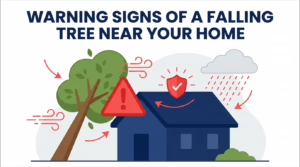
What Are the Warning Signs of a Falling Tree?
High winds, saturated soil, and seasonal storms increase the risk of trees falling onto homes. In the Pacific Northwest, prolonged rainfall can weaken root systems, while wind exposure places additional stress on trunks and branches.
Homeowners in Tacoma, University Place, and throughout Pierce County should be aware of early warning signs that indicate a tree may be unstable and pose a threat to their roof.
Scheduling regular roof maintenance is a good step, not just to keep your roof healthy, but to catch damage if branches or trees become a problem.
Warning Signs of a Falling Tree
-
Leaning trunk
-
Dead or hanging branches
-
Root decay
-
Cracked trunk or missing bark
-
Abnormal leaf loss
Dead or Hanging Branches
Large dead branches, especially those positioned over your roof, increase the risk of falling debris during storms.
While seasonal leaf loss is normal, consistently dead limbs, brittle wood, or branches that fail to produce leaves in spring may indicate structural decline.
If multiple large limbs appear compromised, consult a certified arborist for evaluation.
Signs of Root Damage or Decay
Root instability is a common cause of tree failure, particularly in wet climates.
Possible indicators include:
-
Soil heaving or lifting around the base
-
Fungal growth near the trunk
-
Visible root decay
-
Sudden leaning after storms
Because most roots are underground, professional inspection is often required to confirm structural stability.
Abnormal Leaf Patterns
While trees naturally shed leaves in fall, irregular or patchy leaf loss during growing season may indicate stress.
Signs of concern include:
-
Thinning canopy
-
Leaf discoloration
-
Sparse growth on outer branches
Abnormal patterns can signal nutrient deficiencies or root problems that may weaken structural integrity over time.
Leaning Trunk After Storms
Many trees grow with slight natural lean. However, sudden changes in angle following storms may indicate root plate failure.
A lean of approximately 15 degrees or more, especially if accompanied by exposed roots or soil cracking, should be evaluated promptly by a tree professional.
Cracks, Cavities, or Missing Bark
Deep vertical cracks, hollow cavities, or large sections of missing bark can weaken trunk structure.
Structural defects increase the likelihood of splitting during high wind events. Early assessment may help determine whether pruning or removal is necessary.
Protecting Your Roof From Tree Damage
Even healthy trees can lose limbs during extreme weather. Preventive tree maintenance combined with regular roof inspections reduces the risk of hidden structural damage.
If branches strike your roof, schedule a professional inspection to identify:
-
Shingle displacement
-
Flashing damage
-
Structural impact concerns
For additional seasonal roof risk guidance, review “How to Remove Snow From Your Roof.”
Roof Inspection After Tree Damage in Tacoma
If a tree or large branch has fallen onto your home, immediate inspection is recommended to assess potential structural impact.
Your lakewood roofing experts can also help assess roof risk if you suspect a tree threat — and if branches or trees do fall, you’ll want trusted pros to inspect and repair.
ACME Roofing provides roof repair and roof replacement services throughout Tacoma and surrounding communities.
Call (253) 215-1398 to schedule a roof evaluation after storm damage.
Frequently Asked Questions
What are the most common warning signs of a falling tree?
Leaning trunks, root damage, dead branches, and trunk cracks are common indicators.
How much lean is considered dangerous for a tree?
A sudden lean of approximately 15 degrees or more may indicate instability.
Can heavy rain cause trees to fall?
Saturated soil can weaken root anchoring, increasing fall risk during wind events.
Should I inspect my roof after branches fall?
Yes. Even minor impacts may damage shingles or flashing.
Does homeowners insurance cover tree damage?
Coverage depends on policy terms and the cause of the tree fall.