


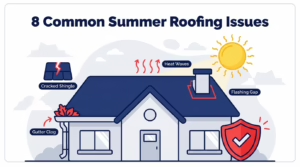
8 Common Summer Roofing Issues & How to Prevent Them
Summer can reveal roofing problems that developed during winter and spring. Leaks, damaged shingles, flashing problems, clogged drainage, and ventilation concerns may become more noticeable as homeowners inspect their roofs and attics during the warmer months.
If you notice signs of damage, professional roof repair can help identify the underlying problem and determine whether a repair is appropriate.
For homeowners in Tacoma, University Place, and throughout Pierce County, summer can be a useful time to evaluate the condition of the roof before the wetter months return. Here are eight common summer roofing issues to watch for.
1. Roof Leaks
Roof leaks can become noticeable during summer even when the underlying problem developed months earlier. Winter storms, wind, falling branches, deteriorated flashing, and damaged roofing materials can leave openings that allow water to enter during rainfall.
Interior water stains, damp insulation, or unexplained moisture in the attic can indicate a roofing or building-envelope problem. Because water can travel away from the original entry point, the location of an interior stain does not always identify the exact source of the leak.
If you are trying to understand where a roof leak may originate, review how to fix a leaking roof from the inside for additional guidance.
2. Damaged or Curling Shingles
Roof shingles can deteriorate from age, weather exposure, improper installation, and other conditions. Signs such as curling, cracking, missing shingles, or excessive granule loss can indicate that the roof needs closer evaluation.
Summer is a useful time to look for visible shingle damage, but homeowners should avoid assuming that every damaged shingle requires complete roof replacement. The appropriate solution depends on the extent, location, and cause of the damage.
For more information about curling shingles and what they can indicate, see Why Your Shingles Are Curling.
3. Flashing Failures
Flashing helps direct water away from vulnerable roof transitions, penetrations, and joints. Flashing is commonly used around features such as chimneys, skylights, vents, and roof-to-wall intersections.
Damaged, deteriorated, or improperly installed flashing can create pathways for water intrusion. During a summer roof inspection, look for visible gaps, lifted sections, corrosion where applicable, or damaged sealant around vulnerable areas.
4. Clogged or Damaged Gutters
Gutters and downspouts help move rainwater away from the roof and foundation. Debris from trees and seasonal storms can restrict drainage and cause water to back up along roof edges.
Clean gutters can also make it easier to identify problems such as excessive shingle granules, damaged components, or areas where water is not draining normally.
If standing water repeatedly collects on a roof or near drainage components, the problem should be evaluated rather than simply ignored. Persistent drainage problems can contribute to additional roofing concerns over time.
5. Pest Intrusion
Small openings around damaged roofing, flashing, vents, and other roof penetrations can provide potential entry points for birds, insects, rodents, and other pests.
Signs of possible intrusion can include nesting material, droppings, damaged insulation, unusual attic activity, or visible openings around the roof and attic. Any pest-related roof damage should be evaluated alongside the roofing system so the entry point can be identified and repaired appropriately.
6. Improper Attic Ventilation
Attic ventilation is part of managing heat and moisture in many roof assemblies. The U.S. Department of Energy notes that effective vented attic systems generally use low intake openings near the soffits or eaves and high exhaust openings near the roof ridge, while ventilation must also comply with applicable building requirements.
Poorly designed, blocked, or unbalanced ventilation can contribute to moisture problems and can affect the durability of roofing and attic components. DOE Building America guidance also notes that complex roof designs can make effective ventilation more difficult.
Do not assume that simply adding more vents will solve a ventilation problem. The entire attic and roof assembly should be evaluated to determine whether intake and exhaust pathways are appropriately configured.
7. Tree and Storm Damage
Branches, wind, and severe weather can damage roofing materials without creating an immediately obvious interior leak. A fallen or rubbing branch may damage shingles, flashing, gutters, or other roof components.
After significant storms, look for missing or displaced shingles, damaged gutters, broken branches, exposed roofing materials, and other visible changes. Avoid climbing onto the roof yourself if the surface is difficult or unsafe to access.
Addressing visible storm damage early can help prevent a localized roofing problem from becoming a larger repair during the next period of heavy rain.
8. Roofing Material Deterioration
Different roofing materials respond differently to prolonged weather exposure. Asphalt shingles can develop visible deterioration as they age, while some low-slope roofing membranes can experience changes related to weathering, installation, or material condition.
Rather than assuming that summer heat alone caused a roofing defect, look at the broader condition of the roof. Age, material selection, installation quality, moisture exposure, previous repairs, and weather history can all be relevant when determining why a roofing material has deteriorated.
Summer Roof Maintenance Tips
A summer roof check does not need to involve walking across the roof. From the ground and from accessible areas such as the attic, homeowners can look for signs that warrant professional evaluation.
- Inspect visible shingles for curling, cracking, missing areas, or excessive granule loss.
- Check gutters and downspouts for debris or drainage problems.
- Look for visible damage around flashing, vents, and other roof penetrations.
- Check accessible attic areas for signs of moisture, staining, or damaged insulation.
- Look for branches or other debris that may be contacting the roof.
- Schedule a professional inspection when visible damage or recurring problems are present.
Understanding the underlying causes of roof deterioration can also help homeowners recognize problems earlier. Read Why Roofs Fail and How to Avoid This for more information about common causes of roof problems and preventative maintenance.
Professional Roofing in Tacoma
Summer is a practical time to evaluate roofing problems before the next rainy season. Homeowners looking for roofing in Tacoma can have a professional evaluate visible damage, drainage, flashing, shingles, ventilation, and other components of the roof system.
A professional evaluation can help distinguish between an isolated repair issue and signs that a larger portion of the roofing system needs attention.
Schedule Your Summer Roof Inspection
Addressing roofing concerns before fall and winter rainfall can give homeowners more time to evaluate their options and complete necessary maintenance or repairs.
If you have noticed a leak, damaged shingles, drainage problems, storm damage, or other changes in your roof, call (253) 215-1398 to schedule a professional roof evaluation.
Frequently Asked Questions About Summer Roofing Issues
Why do roofing problems show up in summer?
Summer inspections can reveal damage that developed during previous storms or accumulated over time. Warmer, drier conditions can also make visible roof deterioration easier to identify.
Can summer weather damage roof shingles?
Roofing materials are exposed to weather throughout the year, including sunlight, temperature changes, wind, and precipitation. The effect depends on the roofing material, its age, installation, and overall condition.
Is summer a good time for roof repairs?
Summer can be a practical time to address roofing problems because homeowners can evaluate damage before the wetter months. However, the appropriate timing for a repair depends on the specific roof, weather conditions, and scope of work.
How do I know if my roof was damaged over winter?
Look for missing or damaged shingles, damaged flashing, granules collecting in gutters, damaged gutters, visible branches or debris, and interior signs such as water stains. Some damage may require a professional inspection to identify.
Should I get my roof inspected every summer?
There is no universal requirement that every homeowner schedule a professional roof inspection every summer. However, an inspection can be useful when a roof has visible damage, is aging, has experienced significant weather exposure, or has developed recurring problems.