


What Are the Pros and Cons of Layering Roof Shingles?
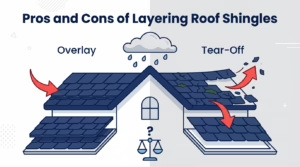
Layering roof shingles, also called a roof overlay, involves installing a new layer of shingles over an existing layer instead of removing the old roofing materials. An overlay can reduce some upfront labor and disposal costs, but it can also limit the ability to inspect the roof deck and add another layer of material to the roof.
Before deciding whether to layer shingles or complete a full tear-off, homeowners should consider the existing roof’s condition, the number of existing shingle layers, applicable building requirements, the condition of the roof deck, and the long-term goals for the home. Professional roof maintenance can also help identify existing problems before you decide how to approach your next roofing project.
In the Puget Sound region, where roofs regularly face wet weather, homeowners should pay particular attention to existing moisture damage and the condition of the roofing system before installing another layer.
Roof Overlay vs. Tear-Off: What’s the Difference?
The primary difference is what happens to the existing roofing materials before the new roof is installed.
What Is a Roof Overlay?
A roof overlay involves installing a new layer of shingles directly over an existing layer. The existing shingles remain in place, so the contractor does not remove the entire existing roof covering before installing the new shingles.
What Is a Roof Tear-Off?
A tear-off involves removing the existing roofing materials so the underlying roof deck and other components can be inspected before the new roofing system is installed.
The better option depends on the condition of the existing roof, the roof’s construction, applicable requirements, and the homeowner’s long-term goals.
What Are the Pros of Layering Roof Shingles?
1. Lower Upfront Labor Costs
An overlay can reduce some of the labor involved in removing and disposing of the existing shingles. Because the old roof covering remains in place, the project may require less tear-off and disposal work.
However, a lower initial project cost does not necessarily mean an overlay provides the best long-term value. The condition of the existing roof should be evaluated before choosing this approach.
2. Faster Installation
Because the existing shingles do not have to be completely removed, an overlay can reduce some of the work involved in preparing the roof for the new shingles.
The actual installation time still depends on the size and complexity of the roof, weather conditions, materials, and other project requirements.
3. Less Roofing Debris
A tear-off can generate a significant amount of old roofing material that must be removed from the property. An overlay avoids removing the existing shingle layer, which can reduce the amount of tear-off debris produced during the project.
What Are the Cons of Layering Roof Shingles?
1. Hidden Roof Deck Damage Can Remain Undetected
One of the biggest limitations of an overlay is that the existing roofing materials remain in place. This can make it more difficult to inspect the roof deck for problems that may be hidden beneath the existing shingles.
A tear-off provides an opportunity to inspect exposed decking and identify areas that may need repair before installing the new roofing system.
2. Added Roof Weight
Installing another layer of shingles adds material to the roof assembly. Before proceeding with an overlay, the existing roof construction and applicable requirements should be evaluated to determine whether another layer is appropriate.
3. Existing Problems Can Remain Beneath the New Shingles
An overlay does not automatically correct problems in the existing roofing system. If the existing roof has significant moisture damage, deteriorated decking, widespread shingle failure, or other underlying problems, covering those materials with another layer may not address the source of the problem.
4. The Finished Roof May Not Be as Uniform
Existing shingles that are curled, buckled, uneven, or otherwise deteriorated can affect the surface beneath the new layer. A tear-off creates a cleaner starting point for the new roofing system.
5. Future Repairs Can Be More Complicated
When multiple roofing layers are present, identifying the source of a leak or determining the condition of the underlying materials can be more difficult. A tear-off provides an opportunity to inspect the roof deck and underlying components before the new roof is installed.
When Is a Roof Overlay an Option?
A roof overlay may be an option when the existing roof is suitable for another layer and applicable building requirements allow it. The existing shingles should be evaluated for significant deterioration, moisture problems, uneven areas, and other conditions that could affect the new installation.
An overlay is generally more appropriate for a roof that remains in suitable condition than for one with extensive underlying problems.
Before making a decision, a roofing professional can evaluate the existing roof and determine whether an overlay is appropriate or whether removing the existing materials would provide a better foundation for the new roof.
When Is a Tear-Off the Better Choice?
A full tear-off may make more sense when the existing roof has significant damage, multiple problem areas, or conditions that need to be addressed beneath the shingles.
A tear-off can provide several important advantages:
- It exposes the roof deck for inspection.
- It allows damaged decking to be identified and repaired.
- It removes deteriorated roofing materials before the new system is installed.
- It provides a clean surface for the new roofing system.
- It can make future roof inspections and repairs easier.
For homeowners planning to keep their property for many years, the opportunity to address underlying roofing problems during a tear-off can be an important consideration.
How Do You Decide Between a Roof Overlay and Tear-Off?
Before choosing between the two options, consider the following:
- Condition of the existing shingles: Are they relatively flat and intact, or are they curling, buckling, cracked, or deteriorating?
- Roof deck condition: Is there evidence of moisture damage or other problems that need to be inspected?
- Existing roofing layers: How many layers are already installed?
- Roof structure: Can the existing roof assembly accommodate another layer?
- Building requirements: Does the proposed installation comply with applicable local requirements?
- Long-term goals: Are you looking for the lowest initial cost, or are you prioritizing a clean installation and long-term serviceability?
If you’re considering an overlay because you need to estimate the amount of roofing material involved, our guide on how to measure a roof for shingles can help you understand the basic measurement process.
How Many Layers of Shingles Can a Roof Have?
The number of roofing layers allowed depends on applicable building requirements and the existing roof assembly. Homeowners should not assume that every roof can simply receive another layer.
Before adding shingles over an existing roof, a contractor should determine how many layers are already present and whether the proposed installation is permitted for that roof.
Local requirements can also depend on the type of roofing material and the construction of the roof. When in doubt, verify the applicable requirements before beginning the project.
Does Layering Shingles Affect Roof Lifespan?
An overlay does not automatically have a shorter lifespan simply because a second layer exists. The performance of the new shingles depends on the product, installation, roof condition, ventilation, weather exposure, and other factors.
However, installing new shingles over an existing roof means the condition of the underlying roofing materials remains part of the overall roof assembly. If the existing roof has significant problems, those issues can affect the new roof.
Does Layering Shingles Affect the Roof Warranty?
Warranty terms depend on the specific roofing manufacturer, product, and installation requirements. Homeowners should review the manufacturer’s requirements before choosing an overlay rather than assuming that every shingle product has identical warranty conditions.
Your roofing contractor can also help determine whether the proposed installation meets the requirements for the specific roofing materials being considered.
Is Layering Shingles a Good Choice in the Puget Sound?
The wet climate of the Puget Sound makes the condition of the existing roofing system an important consideration. An overlay may not address moisture or decking problems that already exist beneath the current shingles.
For this reason, homeowners should look beyond the immediate installation cost and consider whether the existing roof is suitable for another layer and whether a tear-off would provide an opportunity to identify underlying problems.
If you’re evaluating your roof because of its age or an insurance-related concern, our guide to how roof age affects insurance claims provides additional information about factors that can affect an insurance claim.
Roofing Contractors in Tacoma
Choosing between an overlay and a tear-off should be based on the condition of the existing roofing system, the structure of the roof, applicable requirements, and your long-term goals.
ACME Roofing provides professional roofing services throughout Tacoma and surrounding communities. Homeowners looking for an evaluation from Auburn roofing experts can contact the team to discuss their roofing options.
Call (253) 215-1398 to schedule a roofing evaluation and determine whether an overlay or tear-off is appropriate for your home.
Frequently Asked Questions
Can you put new shingles over old ones?
In some circumstances, a new layer of shingles can be installed over an existing layer. However, the existing roof must be evaluated first, and the proposed installation must comply with applicable requirements and the roofing manufacturer’s installation instructions.
Is a roof overlay cheaper than a tear-off?
An overlay can have lower upfront labor and disposal costs because the existing shingles remain in place. However, homeowners should also consider the condition of the existing roof and the long-term implications before choosing an overlay solely because of its initial cost.
How many layers of shingles are allowed?
The permitted number of roofing layers depends on applicable building requirements and the roof assembly. Do not assume that another layer is permitted without confirming the requirements for your roof.
Does layering shingles void the warranty?
Not necessarily. Warranty requirements vary by manufacturer and roofing product. Check the specific manufacturer’s installation requirements before choosing an overlay.
Is a tear-off better for homes in wet climates?
A tear-off can provide an important opportunity to inspect the roof deck and address hidden moisture or deterioration before installing new roofing materials. Whether it is the better choice depends on the condition and construction of the existing roof.